
As a newer atypical antipsychotic, Caplyta (lumateperone) has quickly gained attention for its effectiveness and improved tolerability compared to traditional psychiatric medications. Patients who have experienced weight gain, heavy sedation, agitation, or movement issues on drugs such as Seroquel, Zyprexa, Latuda, or Abilify often find Caplyta to be a gentler, more manageable alternative.
This guide highlights the seven most important ways Caplyta compares to other medications, using SEO-focused terms to help readers find exactly what they’re searching for.
What Is Caplyta?
Caplyta is an FDA-approved atypical antipsychotic prescribed for:
- Schizophrenia (adults)
- Bipolar Depression (Bipolar I & II)
It can be taken alone or combined with mood stabilizers like lithium or valproate.
What makes Caplyta different from older medications is its multi-pathway mechanism of action. Instead of depending heavily on dopamine blockade (a common cause of movement disorders and emotional dullness), Caplyta gently regulates serotonin, dopamine, and glutamate. This balanced approach leads to smoother symptom control with fewer side effects.
How Caplyta Works Compared to Other Medications
Caplyta’s mechanism of action offers a key advantage in the Caplyta vs other antipsychotics comparison. It influences three major neurotransmitter systems:
How Caplyta Works Compared to Other Medications
Caplyta’s mechanism of action offers a key advantage in the Caplyta vs other antipsychotics comparison. It influences three major neurotransmitter systems:
Serotonin (5-HT2A antagonism)
Helps stabilize mood and reduce psychosis.
Dopamine (D2 modulation)
Reduces symptoms with lower risk of movement disorders or emotional flattening.
Glutamate regulation
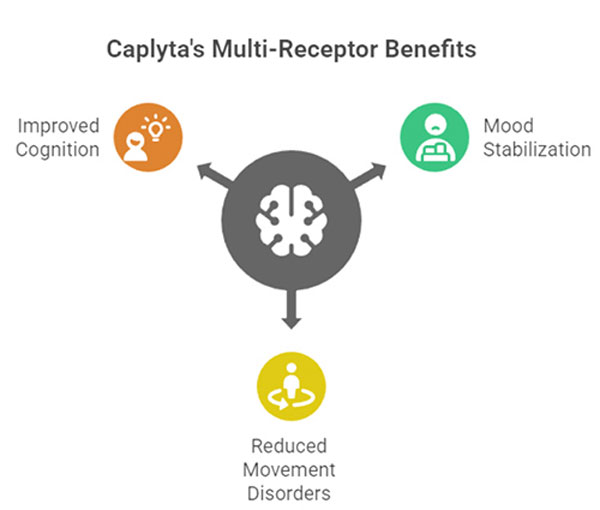
Improves cognition, motivation, and overall mood processing.
This multi-receptor balance creates a more tolerable treatment experience than medications that rely primarily on dopamine suppression.
Below are the key advantages Caplyta has over commonly prescribed psychiatric medications.
- Caplyta vs Latuda: No Food Requirement
A major convenience advantage in the Caplyta vs Latuda comparison is dosing flexibility.
Latuda must be taken with at least 350 calories, or it will not work properly.
Caplyta can be taken anytime, with or without food, making it easier for patients to stay consistent with treatment.
- Caplyta vs Seroquel: Less Sedation
Seroquel is known for its intense sedation, often leaving people drowsy throughout the day.
Caplyta causes far less daytime tiredness, allowing individuals to remain alert, productive, and mentally clear. This makes Caplyta especially appealing for people who want effective treatment without feeling “knocked out.”
- Caplyta vs Zyprexa & Seroquel: Minimal Weight Gain
In the Caplyta vs Zyprexa and Caplyta vs Seroquel comparisons, Caplyta has a major advantage.
Both Zyprexa and Seroquel are linked to:
- Rapid weight gain
- Elevated blood sugar
- High cholesterol
Caplyta has a much lower metabolic risk. Most patients report little to no weight gain, making it healthier for long-term use.
- Caplyta vs Abilify: Lower Risk of Restlessness
A major downside of Abilify is akathisia, a restless, uncomfortable feeling in the body.
Caplyta has a lower chance of causing agitation or restlessness, thanks to its more balanced dopamine activity. Patients who struggled with Abilify often tolerate Caplyta far better.
- Caplyta vs Older Antipsychotics: Better Overall Tolerability
Older medications like Zyprexa, Risperidone, and Haldol are effective but come with heavy side effects, such as:
- Emotional blunting
- Movement disorders
- Significant sedation
- Hormonal changes
Caplyta offers a cleaner side-effect profile, making it easier for people to stay on the medication long-term.
- Caplyta for Bipolar Depression: Stronger Results Than Many Alternatives
Many antipsychotics treat manic episodes well but fail to address bipolar depression effectively.
Caplyta stands out because it consistently helps improve depressive symptoms in
Bipolar I and Bipolar II.
Patients who didn’t respond well to Latuda or Abilify often find Caplyta more effective with fewer negative side effects.
- Caplyta’s Multi-Pathway Action = Fewer Side Effects
Most psychiatric medications focus heavily on dopamine, which can lead to:
- Restlessness
- Muscle stiffness
- Emotional dullness
- Agitation
Caplyta balances serotonin, dopamine, and glutamate, resulting in:
- Smoother mood regulation
- Fewer movement issues
- Less emotional flattening
- A more natural-feeling improvement
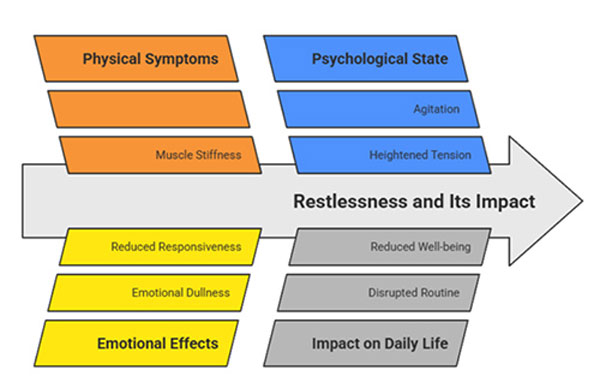
This multi-pathway approach is one of Caplyta’s biggest advantages over older drugs.
Who Might Benefit Most From Caplyta?
Caplyta may be an excellent choice for individuals who:
- Gained weight on other medications
- Experienced sedation or fatigue on Seroquel
- Felt restless or agitated on Abilify or Latuda
- Need strong support for bipolar depression
- Want a long-term medication with fewer side effects
Its gentler profile makes Caplyta easier to stay on—an important factor in long-term mental health stability.
Final Thoughts: Is Caplyta the Right Choice for You?
Caplyta delivers strong symptom relief with fewer metabolic, sedative, and movement-related side effects than many older medications.
Whether you’re comparing Caplyta vs Latuda, Caplyta vs Seroquel, Caplyta vs Abilify, or Caplyta vs Zyprexa, the advantages are clear:
- More flexible dosing
- Less sedation
- Minimal weight gain
- Lower agitation risk
- Better tolerability
- Stronger bipolar depression support
- Multi-pathway brain benefits
Always consult with a healthcare provider to determine whether Caplyta is the best choice for your individual needs.
Here are some key references you can use to support the article “7 Ways to Compare Caplyta With Other Medications.”
These references include clinical trial data, approval history, and safety/tolerability profiles that underpin the advantages listed.
References
- Efficacy & Safety of Lumateperone (Caplyta) in Schizophrenia
Efficacy and Safety of Lumateperone for Treatment of Schizophrenia: A Randomized Clinical Trial — JAMA Psychiatry. Shows that 42 mg lumateperone significantly reduced symptoms of schizophrenia without major motor or cardiometabolic adverse effects. (JAMA Network) - FDA Approval History of Caplyta
U.S. Food & Drug Administration approval timeline: First approved December 20, 2019 for schizophrenia in adults; later approved for bipolar depression in adults (Bipolar I & II). (Drugs.com) - FDA Approval for Major Depressive Disorder (MDD) – Tolerability Data
Press release from Johnson & Johnson: Caplyta approved for adjunctive therapy in adults with MDD, with trial results showing no significant weight gain or metabolic changes compared to placebo. (Johnson & Johnson Investor Relations) - Drug Trials Snapshot – Safety/Adverse Events
From the FDA’s “Drug Trials Snapshots” page: Shows adverse reaction rates and details on motor-, cardiometabolic-, and endocrine-related side-effects. (U.S. Food and Drug Administration) - Relapse Prevention in Schizophrenia
Article from PharmExec: Caplyta showed 63% reduction in relapse risk versus placebo in a Phase III randomized withdrawal trial. (PharmExec)