
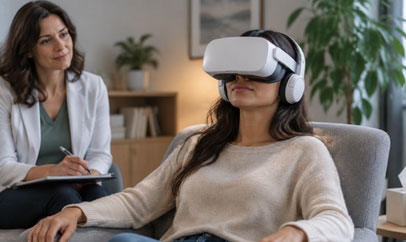
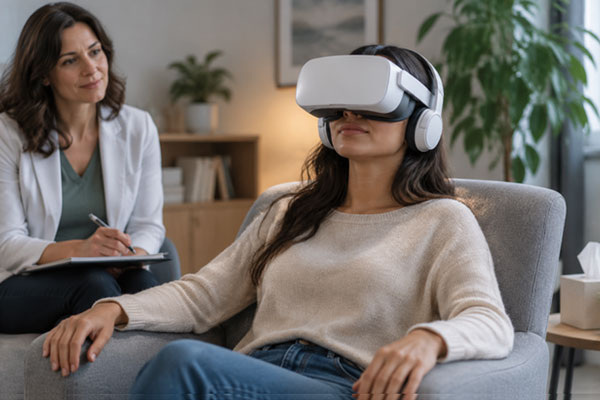
Mental health care continues to evolve as researchers explore new ways to understand the connection between the mind, body, and emotions. While traditional treatments focus on thoughts, behaviors, relationships, and experiences, emerging technologies are exploring how physical sensations and body-based experiences may influence emotional well-being. These approaches, sometimes referred to as embodied technologies, are being studied for their potential role in supporting individuals who experience challenges such as dissociation, emotional disconnection, or anhedonia, which involves a reduced ability to experience pleasure. Although this field is still developing, researchers are exploring how technology may become a supportive tool alongside established mental health treatments.
How Can Embodied Technologies Support Emotional Health?
The human experience of emotions is closely connected with the body. Feelings such as stress, calmness, fear, and happiness can involve changes in breathing, heart rate, muscle tension, and other physical sensations. Embodied technologies aim to use this mind-body connection by creating experiences that may help individuals become more aware of their physical and emotional states.
For people experiencing dissociation, there may be a feeling of being disconnected from their thoughts, emotions, or surroundings. Individuals experiencing anhedonia may feel emotionally numb or find it difficult to enjoy activities they once valued. Researchers are exploring whether carefully designed sensory experiences, including technology-based interventions involving body awareness, movement, virtual environments, or physiological feedback, may help improve emotional awareness and connection.
However, these technologies are still being researched, and they are not intended to replace psychotherapy, medication, or professional mental health care. More studies are needed to understand their effectiveness, safety, and the individuals who may benefit most from these approaches.
What Is the Future of Technology in Mental Health Care?
The future of mental health care may involve combining evidence-based therapies with carefully evaluated technological innovations. While technology can provide new opportunities for assessment and support, emotional healing remains deeply connected to human relationships, empathy, and individualized care.
Mental health conditions such as dissociation and anhedonia can affect a person’s connection with themselves, others, and everyday experiences. A comprehensive approach that includes professional support, therapeutic interventions, lifestyle factors, and emerging tools may help individuals work toward improved emotional well-being.
As research continues, embodied technologies may offer new possibilities for supporting mental health. However, the most effective care will continue to focus on understanding each person’s unique experiences and providing compassionate, personalized treatment.
Reference:
- Schoeller F. Embodied Technologies for Mental Health: Leveraging Synthetic Emotions for Dissociation and Anhedonia. Psychiatric Times.
https://www.psychiatrictimes.com/view/embodied-technologies-for-mental-health-leveraging-synthetic-emotions-for-dissociation-and-anhedonia - Riva G, Wiederhold BK. Virtual Reality and Digital Mental Health: New Technologies for Emotional and Psychological Support.
https://www.ncbi.nlm.nih.gov/pmc/articles/PMC7735164/