
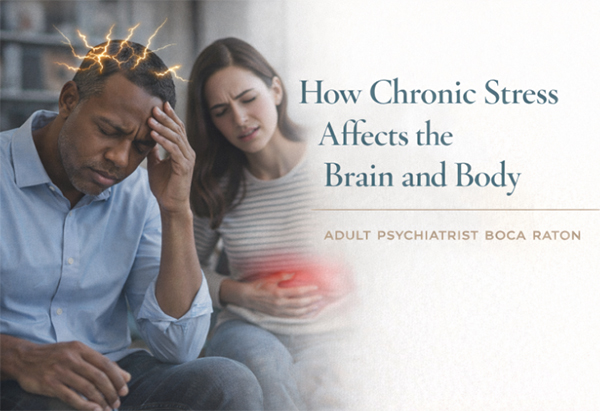
Stress is a natural part of life. In short bursts, it can help you stay alert, focused, and motivated. However, when stress becomes constant, it can take a serious toll on both mental and physical health. Chronic stress affects nearly every system in the body — from brain function to immunity, sleep, digestion, and cardiovascular health.
If persistent stress is interfering with your daily life, consulting an adult psychiatrist Boca Raton residents trust can help identify underlying issues and develop effective coping strategies.
What Is Chronic Stress?
Chronic stress occurs when the body remains in a prolonged state of “fight or flight.” Instead of returning to baseline after a stressful event, stress hormones such as cortisol and adrenaline stay elevated for extended periods.
Common sources include:
- Work pressure or burnout
- Financial difficulties
- Relationship conflict
- Caregiving responsibilities
- Major life changes
- Health concerns
- Ongoing uncertainty or trauma
Over time, this constant activation disrupts normal body functions.
How Chronic Stress Affects the Brain
Long-term stress can alter brain structure, chemistry, and function.
Memory and Concentration Problems
Elevated cortisol can impair the hippocampus, the brain region involved in memory and learning. Many people report forgetfulness, difficulty focusing, and “brain fog.”
Increased Anxiety and Emotional Reactivity
Chronic stress sensitizes the amygdala, making individuals more prone to fear, worry, and emotional overreactions.
Depression Risk
Persistent stress disrupts neurotransmitters such as serotonin and dopamine, increasing vulnerability to depression.
Sleep Disruption
Hyperarousal makes it difficult to fall asleep or stay asleep, further worsening mood and cognition.
Physical Effects of Chronic Stress on the Body
Stress is not just psychological — it manifests physically in multiple ways.
Cardiovascular System
- Elevated blood pressure
- Increased heart rate
- Higher risk of heart disease
Immune System
- Reduced ability to fight infections
- Slower wound healing
- Increased inflammation
Digestive System
- Stomach pain or nausea
- Acid reflux
- Irritable bowel symptoms
- Appetite changes
Musculoskeletal System
- Chronic muscle tension
- Headaches or migraines
- Neck and back pain
Hormonal Effects
- Fatigue and low energy
- Weight changes
- Reduced libido
- Irregular menstrual cycles
Emotional and Behavioral Signs of Chronic Stress
Many adults experience psychological symptoms before recognizing the physical impact.
- Irritability or mood swings
- Feeling overwhelmed or out of control
- Loss of motivation
- Social withdrawal
- Increased use of alcohol or substances
- Difficulty relaxing
- Persistent worry
An adult psychiatrist Boca Raton specialist can help determine whether symptoms reflect stress alone or an underlying anxiety or mood disorder.
When Stress Becomes a Mental Health Concern
Chronic stress can evolve into clinical conditions such as:
- Generalized anxiety disorder
- Major depressive disorder
- Panic disorder
- Adjustment disorder
- Insomnia disorder
- Burnout syndrome
Warning signs that professional help is needed include:
- Symptoms lasting weeks or months
- Impaired functioning at work or home
- Persistent sleep problems
- Physical symptoms without medical cause
- Thoughts of hopelessness or despair
Effective Ways to Reduce Chronic Stress
While eliminating stress completely is impossible, managing it is achievable.
Lifestyle Strategies
- Regular physical activity
- Consistent sleep schedule
- Balanced nutrition
- Limiting caffeine and alcohol
- Time outdoors and sunlight exposure
Psychological Strategies
- Mindfulness or meditation
- Cognitive behavioral techniques
- Relaxation exercises
- Journaling
- Setting realistic boundaries
Social Support
- Talking with trusted friends or family
- Seeking professional counseling
- Joining support groups
If self-help strategies are not enough, professional treatment can provide significant relief.
Treatment Options
An individualized plan may include:
- Psychiatric evaluation
- Psychotherapy
- Stress-management training
- Treatment for co-occurring anxiety or depression
- Medication when appropriate
- Sleep interventions
The goal is to restore balance to both mind and body.
Long-Term Consequences of Untreated Stress
Without intervention, chronic stress can contribute to serious health issues, including:
- Cardiovascular disease
- Metabolic disorders
- Chronic pain conditions
- Immune dysfunction
- Mental health disorders
- Reduced quality of life
Early support can prevent long-term complications.
Frequently Asked Questions (FAQ)
Can chronic stress cause permanent damage to the brain?
Prolonged stress can affect brain structure and function, but many changes are reversible with treatment and stress reduction.
How do I know if my symptoms are stress or anxiety disorder?
Stress is typically linked to external pressures, while anxiety disorders may persist even without clear triggers. A professional evaluation can clarify the diagnosis.
Can stress cause physical illness?
Yes. Chronic stress is associated with cardiovascular disease, digestive problems, immune suppression, and chronic pain.
How long does it take to recover from chronic stress?
Recovery varies. Some people improve within weeks, while others may require longer-term treatment.
When should I see a psychiatrist for stress?
If symptoms interfere with daily functioning, persist for months, or cause significant distress, professional support is recommended.
About Dr. Kothari
Dr. Kothari is a dedicated psychiatrist specializing in adult mental health, helping individuals manage anxiety, depression, stress-related conditions, and major life challenges. Using an evidence-based and compassionate approach, Dr. Kothari provides comprehensive evaluations and personalized treatment plans tailored to each patient’s unique needs.
Individuals seeking a trusted adult psychiatrist Boca Raton provider can expect supportive care focused on restoring emotional balance, improving resilience, and enhancing overall well-being.