


During the height of the HIV/AIDS epidemic in the 1980s and early 1990s, one of the most urgent and heartbreaking challenges was the staggering number of infants born with HIV. Perinatal transmission rates were devastatingly high, and treatment options were minimal. Yet from this crisis emerged groundbreaking scientific progress led by the National Institutes of Health (NIH) and shaped by the visionary leadership of Dr. Anthony Fauci, one of the most influential figures in immunology and infectious disease. These advances didn’t just transform science—they reshaped families’ futures and worldwide maternal and child health outcomes.
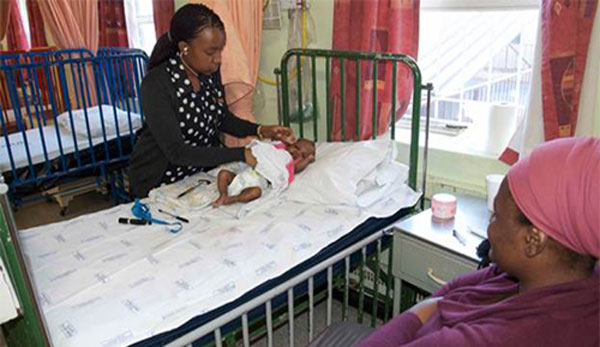
Pioneering HIV Trials That Changed the World
Early clinical trials revealed that antiretroviral medications—beginning with AZT (zidovudine)—could dramatically reduce HIV transmission from mother to child during pregnancy, labor, and delivery. For the first time, scientific hope replaced fear.
Key breakthroughs included:
- NIH-supported studies confirming that AZT significantly reduced perinatal HIV transmission rates.
- Collaborative work among universities, clinics, and global partners to speed implementation.
- Evolving treatment protocols that later incorporated combination antiretroviral therapy, lowering transmission rates from over 25% in some regions to below 2% with proper prenatal care.
These achievements ultimately created a global model for protecting pregnant women and families from HIV.
Dr. Anthony Fauci’s Leadership: A Beacon in the HIV/AIDS Crisis
Long before becoming recognizable during COVID-19, Dr. Anthony Fauci spent decades reshaping the world’s understanding of HIV/AIDS. In 1984, he became Director of the National Institute of Allergy and Infectious Diseases (NIAID) at a time when the epidemic was rapidly escalating.
His leadership defined modern HIV research:
Bridging Lab Discoveries and Clinical Care
Fauci’s research revealed how HIV destroys CD4+ T cells and compromises the immune system—pivotal knowledge that guided the development of life-saving antiretroviral drugs.
Accelerating Critical Clinical Trials
Under Fauci, the NIH accelerated landmark studies such as ACTG 076, which demonstrated AZT’s ability to prevent mother-to-child transmission. His emphasis on patient-centered, ethical research ensured pregnant women and children could benefit from cutting-edge science.
Partnering With Activists and Communities
Fauci fostered meaningful collaborations with HIV activists, ensuring research became more inclusive and equitable. This approach helped reshape NIH research practices nationwide.
Global Commitment to Women and Children
Fauci’s influence extended internationally, helping vulnerable mothers and babies access treatments across Africa, Asia, Latin America, and the Caribbean.
A Brief History of NIH’s Role in HIV Research
The NIH has played a central role in understanding, treating, and preventing HIV since the earliest days of the epidemic.
Early Research Foundations (1981–1985)
NIH scientists were instrumental in identifying how HIV spreads and harms the immune system, paving the way for diagnostic tools and early antiretroviral therapies.
Launching Groundbreaking Trials
Initiatives like the Pediatric AIDS Clinical Trials Group led the AZT trial that transformed maternal–child HIV prevention globally.
Including Women and Children in Research
The NIH championed ethical standards that ensured pregnant women, newborns, and children were included in research—crucial for developing safe and effective treatments.
Supporting Global Health Efforts
NIH-backed research informed WHO, UNICEF, and NGO programs that expanded maternal HIV prevention in low-resource settings around the world.
Leading Today’s Innovations
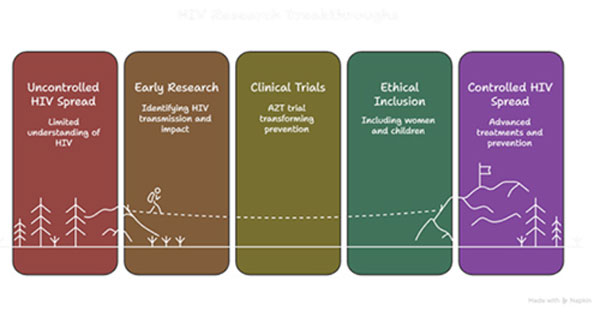
NIH researchers continue to pursue vaccines, long-acting treatments, and potential cures, carrying forward the legacy of the early HIV breakthroughs.
The Human Side of HIV: Mental Health and Motherhood
Scientific breakthroughs have saved countless lives, but the emotional impact of an HIV diagnosis—especially for pregnant women—remains profound. The fear, stigma, and uncertainty mothers experience make mental health support essential.
During Mental Health Awareness Month, it is important to highlight that HIV care must address both medical and emotional well-being. Integrating mental health counseling into HIV treatment programs helps mothers and families navigate the psychological challenges of the disease with resilience and support.
Rotary International: Strengthening Global HIV Prevention and Mental Health Support
While Rotary International is widely known for its leadership in polio eradication, its global service work has significantly contributed to HIV prevention and maternal health.
Rotary clubs worldwide support:
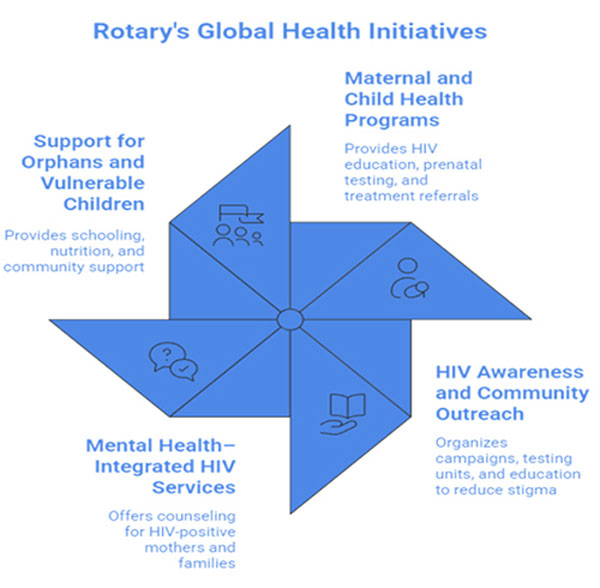
Maternal and Child Health Programs
Rotary-funded clinics in countries such as Uganda, Kenya, and India have provided HIV education, prenatal testing, and referrals to treatment programs rooted in NIH-backed research.
HIV Awareness and Community Outreach
Rotary clubs in South Africa, Nigeria, and across the Caribbean have organized HIV awareness campaigns, mobile testing units, and youth education initiatives designed to reduce stigma and encourage early treatment.
Mental Health–Integrated HIV Services
Recognizing the importance of mental health—especially highlighted during Mental Health Awareness Month—many Rotary districts partner with NGOs to offer counseling for HIV-positive mothers and families.
Support for Orphans and Vulnerable Children
Rotary projects provide schooling, nutrition, and community support to children impacted by HIV, including those protected by early maternal treatment advances.
Rotary International’s commitment to “Service Above Self” makes it a crucial partner in improving health outcomes for women and children worldwide.
A Legacy That Continues to Save Lives
The early HIV medication trials supported by the NIH—and guided by leaders like Dr. Anthony Fauci—represent one of the most significant public health victories of the modern era. These breakthroughs have ensured that today, the vast majority of babies born to mothers with HIV can be healthy and HIV-free.
This legacy continues to grow through organizations like Rotary International, global mental health advocacy efforts, and the scientific community working tirelessly to advance maternal and child health.
Together, science, compassion, and service remain a powerful force for change.
References
- Reduction of maternal-infant transmission of human immunodeficiency virus type 1 with zidovudine treatment. The Pediatric AIDS Clinical Trials Group Protocol 076 Study Group. N Engl J Med. 1994;331(772–8).PubMed+2PubMed+2
- This landmark randomized, double-blind study showed that a maternal and neonatal zidovudine (AZT) regimen reduced mother-to-child HIV transmission from 25.5% to 8.3%.McGill University Music Journal+3PubMed+3PubMed+3•
- Maternal viral load, zidovudine treatment, and the risk of transmission of human immunodeficiency virus type 1 from mother to infant. Pediatric AIDS Clinical Trials Group Protocol 076 Study Group. Lancet. 1997;350(877–82).PubMed
- “Shorter AZT Treatment Reduces Mother to Child HIV Transmission as Well as Longer Treatment but for Less Cost.” Eunice Kennedy Shriver National Institute of Child Health & Human Development (NICHD) News Release. Oct 4 2000.NICHD
- Preventing Mother-to-Child Transmission of HIV in Resource-Limited Settings: The Elizabeth Glaser Pediatric AIDS Foundation Experience. Spensley A, Sripipatana T, et al. Am J Public Health. 2009;99(4):631–637.PMC
- Use of Antiretroviral Drugs to Prevent Perinatal HIV Transmission and Improve Health During Pregnancy | NIH Guidelines. U.S. Government Panel. Jan 31 2024.
ClinicalInfo - After AIDS Clinical Trial 076: The Changing Pattern of Zidovudine Use During Pregnancy, and the Subsequent Reduction in the Vertical Transmission of Human Immunodeficiency Virus (HIV) in a Cohort of Infected Women and their Infants. Women and Infants Transmission Study Group. JAMA.1997;278(13):109–114.PubMed.