


Alzheimer’s disease changes lives in quiet, painful ways. It affects memory, independence, and identity. But there’s real hope. Your everyday choices can protect your brain and reduce the risk.
Healthy living builds stronger neural connections. These small steps, repeated daily, help delay decline. You have the power to protect your mind — one habit at a time.
Why Prevention Is the Best Protection
Alzheimer’s has no cure yet. That’s why prevention matters most. You can’t always change your genes, but you can change your habits.
Research shows that a healthy lifestyle may lower the risk of dementia by up to 40%. Each positive change — better food, more rest, or daily movement — strengthens your brain’s defenses.
Preventing Alzheimer’s isn’t a single act. It’s a lifelong routine built from small, consistent steps.
How Body Health Protects Brain Health
Your brain depends on your body’s health. Poor circulation and high blood pressure starve brain cells of oxygen.
Heart disease, obesity, and diabetes all raise dementia risk. But when you move, eat well, and stay active, you support both systems.
Your body and brain are one team. When you protect one, you protect the other.
The Science of Alzheimer’s and Brain Aging
Alzheimer’s develops when harmful proteins — amyloid and tau — build up in the brain. These proteins block communication between nerve cells and cause them to die.
Lifestyle choices can slow this damage. Regular exercise increases blood flow. Healthy food protects neurons. Quality sleep clears toxins. Stress control reduces inflammation.
Your habits decide how your brain ages. Small daily actions keep your neurons alive longer.
Eat Smart, Feed Your Brain
Your brain runs on nutrition. What you eat shapes how you think, feel, and remember.
Add leafy greens, berries, nuts, olive oil, and fish. These foods supply antioxidants and omega-3 fats that protect brain cells.
Avoid sugary snacks and processed foods. They cause inflammation and slow mental function.
The MIND Diet — a blend of Mediterranean and DASH diets — is linked to a 50% lower Alzheimer’s risk. So, eat for your mind, not just your body.
Move Every Day to Keep Memory Sharp
Movement is medicine. Exercise boosts oxygen flow, reduces stress, and builds new brain cells.
Even a brisk walk or light stretch makes a difference. Aim for at least 30 minutes daily.
Physical activity releases BDNF, a protein that supports memory and focus. You don’t need a gym — consistency matters more than intensity.
Move often. Your body and brain will thank you.
Sleep Deeply to Restore the Mind
Sleep is not just rest — it’s repair time for the brain.
During deep sleep, your brain clears harmful waste, including beta-amyloid, which builds up in Alzheimer’s. Skipping sleep blocks this process and harms focus.
Set a bedtime routine. Keep your room dark and calm. Avoid screens before bed.
Sleep well. It’s one of the simplest ways to protect your brain.
Manage Stress Before It Damages the Brain
Chronic stress harms memory. It floods your body with cortisol, a hormone that damages brain cells.
Find daily ways to relax. Practice deep breathing, mindfulness, or short walks outdoors.
Laugh often. Talk to loved ones. Write down your thoughts. These small habits calm your mind.
When stress goes down, your brain recovers faster. Peace is powerful medicine.

Stay Connected with People You Love
Isolation is silent damage. Loneliness increases the risk of memory loss.
Stay social. Call a friend. Visit family. Join a class or community group.
Human connection releases feel-good hormones that protect the brain. Every meaningful conversation strengthens memory and focus.
Stay connected. Relationships are brain-strengthening therapy.
Keep Learning, Keep Growing
Your brain loves challenge. New learning keeps it flexible and strong.
Read, paint, solve puzzles, or learn an instrument. Every new skill forms fresh pathways that help the brain adapt with age.
Lifelong learning delays decline and builds cognitive reserve. Growth keeps your mind sharp — curiosity is your greatest ally.
Protect Your Heart to Protect Your Brain
Your heart and brain share the same blood supply. When your heart stays healthy, your brain stays oxygenated and alert.
Control your blood pressure and cholesterol. Eat balanced meals and move daily. Avoid smoking.
What’s good for your heart is always good for your brain.
Avoid Alcohol and Quit Smoking
Alcohol and nicotine damage brain tissue. They speed up cell aging and reduce memory performance.
Limit alcohol and avoid smoking completely if possible. Replace these habits with calming routines like reading or tea breaks.
Your brain begins to heal quickly once you quit. Focus improves, clarity returns, and energy rises.
Maintain a Healthy Weight
Obesity raises inflammation and insulin resistance — both harm brain cells.
Eat smaller portions and choose whole foods. Avoid sugary drinks and fried meals. Stay active and hydrated.
A balanced weight keeps blood flow steady and supports mental energy. Healthy weight equals healthy mind.
Visit Your Doctor Regularly
Some conditions mimic memory loss, such as thyroid issues, vitamin deficiency, or depression.
Regular health checkups detect and treat these early. Ask your doctor about brain health screening if you notice forgetfulness or confusion.
Early care prevents small issues from becoming big problems. Stay proactive — not reactive.
Keep a Positive Attitude
Optimism protects your brain. Positive thinking increases serotonin and dopamine — chemicals that lift mood and sharpen focus.
Practice gratitude. Smile more. Celebrate small victories. Surround yourself with kind people.
A hopeful outlook reduces stress and supports emotional strength. A positive mind leads to a healthier brain.
Protect Your Brain from Injuries
Head injuries can raise Alzheimer’s risk later in life.
Keep your home safe. Remove clutter. Use railings. Wear helmets when biking. Fasten seatbelts when driving.
Protecting your head protects your memories.
Emotional Health Supports Cognitive Health
Your emotions affect how your brain functions. Chronic sadness, anxiety, or trauma can weaken focus and recall.
Therapy, mindfulness, or journaling helps release negative emotions. Talking with trusted people helps too.
When you care for your emotional health, you support your cognitive health. Calm emotions mean clearer thoughts.
The Family’s Role in Alzheimer’s Prevention
Families make prevention easier. Shared meals promote better eating. Group walks increase motivation.
Talking openly about emotions reduces stress. Families can also notice early memory changes and seek help sooner.
Love, patience, and support protect mental wellness. Together, families can build strong habits that protect everyone’s mind.
When to See a Specialist
Early care matters. If you notice memory lapses, confusion, or behavior changes, consult a specialist.
Clinics like Dr. Priti Kothari, Child Psychiatrist, Florida, and ADHD Consultant, Florida, focus on mental wellness and memory health. They offer early testing, counseling, and care.
Seeking help early improves outcomes and quality of life. Asking for support is a sign of strength.
What Research Says About Prevention
Science confirms the power of healthy living.
According to the World Health Organization, up to 40% of dementia cases may be prevented through lifestyle changes. Harvard Health reports that exercise, balanced nutrition, and social engagement significantly lower Alzheimer’s risk.
The Lancet Commission identified 12 modifiable risk factors — most linked to daily habits.
You can’t control age, but you can control actions. Prevention begins with every choice you make.
Spirituality and Mindfulness Support Brain Health
Mindfulness, prayer, or meditation calms the nervous system and boosts focus. These habits reduce stress hormones and improve sleep.
They also promote gratitude and self-awareness — both linked to better emotional health.
Quiet moments recharge the mind. Peace protects the brain from overload.
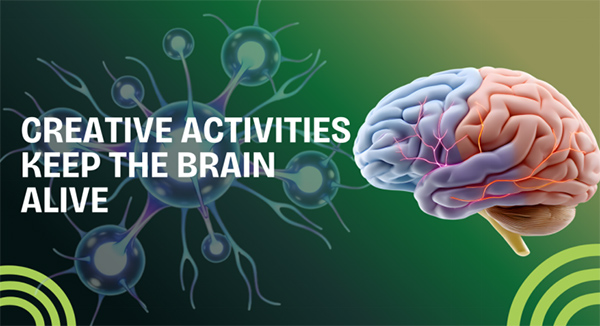
Creative Activities Keep the Brain Alive
Creativity builds cognitive strength. Music, art, writing, or crafts engage multiple brain regions.
They improve coordination, memory, and mood. Creative activities release dopamine, the brain’s “joy chemical.”
Make time for creativity daily. It’s fun, healing, and protective.
Awareness Creates Change
Awareness breaks stigma. Talking about Alzheimer’s opens doors to prevention.
Share knowledge with friends and family. Join awareness campaigns or community walks. Support research organizations.
When people understand the risks, they act earlier — and prevention spreads.
Hope Through Research and Innovation
New treatments and diagnostic tools bring hope every year. Scientists now study early detection methods, genetic links, and brain-protective therapies.
But the strongest defense remains lifestyle. Each healthy day adds protection. Prevention amplifies progress.
Hope grows through knowledge, care, and consistent action.
Live with Purpose
Living with purpose strengthens both mind and soul. Purpose keeps you active, focused, and emotionally fulfilled.
Volunteer. Mentor. Help others. Find activities that bring joy and meaning.
Purpose gives direction. It fuels motivation and keeps the brain alert. A meaningful life keeps memory alive.
Final Thoughts: Protect Your Mind Every Day
Alzheimer’s is more than memory loss. It changes lives, families, and futures. Yet, there is real hope. Prevention begins with awareness and daily care. Every healthy habit — from sleep to movement to connection — strengthens your mind. Small steps today create powerful protection for tomorrow.
Your brain is resilient. It can grow and heal through the right choices. Eat well, stay active, sleep deeply, and manage stress. Stay connected and keep learning. These simple acts train your brain to adapt and stay sharp. You may not control genetics, but you can control your lifestyle. That control matters more than you think.
Mental and emotional health are equally vital. Check in with yourself often. Talk about your feelings. Seek help when needed. Surround yourself with supportive people who lift your spirit. When your heart feels balanced, your brain performs better.
Prevention is a lifelong journey. It’s not about perfection — it’s about consistency. Every mindful choice strengthens your future. Protect your mind, value your memories, and live with purpose. The effort you make today will help your story last a lifetime.
References
- World Health Organization. (2019). Risk Reduction of Cognitive Decline and Dementia: WHO Guidelines. Retrieved from https://www.who.int/publications/i/item/risk-reduction-of-cognitive-decline-and-dementiaWorld Health Organization+1
- Harvard Health Publishing. (2023, May 1). Can a healthy lifestyle ward off memory decline? Retrieved from https://www.health.harvard.edu/mind-and-mood/can-a-healthy-lifestyle-ward-off-memory-declineHarvard Health
- Alzheimer’s Association. (n.d.). Reducing the Risk of Cognitive Decline & Dementia. Retrieved from https://www.alz.org/professionals/public-health/public-health-topics/risk-reductionAlzheimer’s Association
- Alzheimer’s Disease International. (2023). World Alzheimer Report 2023. Retrieved from https://www.alzint.org/resource/world-alzheimer-report-2023/Alzheimer’s Disease International
- Dementia Australia. (n.d.). How to reduce your risk of dementia. Retrieved from https://www.dementia.org.au/brain-health/reduce-your-risk-dementiaDementia Australia
- Ornish D. et al. (2024). Effects of intensive lifestyle changes on the progression of MCI or early dementia due to Alzheimer’s disease. Alzheimer’s Research & Therapy. Retrieved from https://alzres.biomedcentral.com/articles/10.1186/s13195-024-01482-z