

Why Long COVID Brain Fog Matters
Millions of people worldwide continue to experience symptoms long after recovering from COVID-19. This lingering condition—known as Long COVID or Post-COVID Syndrome—often affects both physical and mental health. One of the most commonly reported and disruptive symptoms is COVID brain fog, a cognitive slowdown that makes everyday tasks more challenging.
In this SEO-optimized guide, we break down what Long COVID brain fog is, what causes it, how long it may last, and the most effective ways to reduce cognitive symptoms and improve mental clarity.
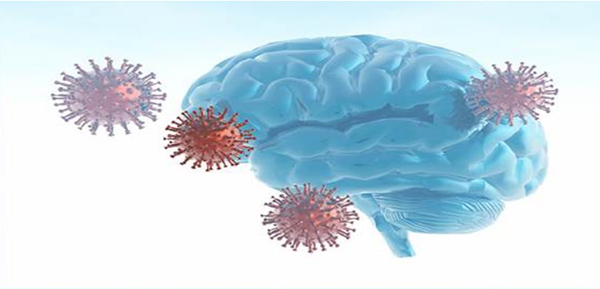
What Is Long COVID? Understanding Post-COVID Syndrome
Long COVID, medically referred to as Post-Acute Sequelae of SARS-CoV-2 (PASC), occurs when symptoms continue for weeks or months following acute infection. These symptoms can impact virtually every system in the body.
Most Common Long COVID Symptoms:
- Ongoing fatigue
- Breathlessness or shortness of breath
- Chest pain or tightness
- Sleep disturbances
- Muscle and joint pain
- Heart palpitations
- Cognitive impairment (brain fog)
Typical Signs of Long COVID Brain Fog:
- Difficulty concentrating
- Memory problems (short-term and working memory)
- Slow thinking or reduced mental speed
- Feeling mentally “foggy,” confused, or overwhelmed
- Trouble planning or organizing tasks
- Difficulty finding words or forming sentences

What Causes Brain Fog in Long COVID? Leading Scientific Theories
Researchers believe several interconnected factors may trigger brain fog after COVID-19.
- Brain and Body Inflammation
COVID-19 can trigger widespread inflammation that affects brain cells and neural communication.
- Reduced Blood Flow and Oxygen Levels
Changes to blood vessels or oxygen supply may impair areas of the brain responsible for focus and memory.
- Immune System Overreaction
An overactive immune response may continue even after recovery, affecting cognitive function.
- Sleep Disruptions and Chronic Fatigue
Common Long COVID issues—insomnia, fatigue, and unrefreshing sleep—can significantly worsen brain fog symptoms.
- Emotional Stress, Anxiety, and Depression
Mental strain related to illness and recovery can increase cognitive fatigue and reduce mental clarity.
How Long Does Long COVID Brain Fog Last?
Factors that influence duration include:
- Severity of original infection
- Age and underlying health conditions
- Immune response and inflammation levels
- Lifestyle habits, stress, and sleep quality
How to Reduce Brain Fog From Long COVID: Evidence-Based Strategies
- Rest and Pace Your Activities
Overexertion can worsen Long COVID symptoms. Use “pacing” to balance activity and rest.
- Improve Sleep for Cognitive Repair
- Consistent sleep schedules
- Relaxation routines
- Limiting screens before bed
- Strengthen Cognitive Function
Brain exercises that may help:
- Memory games
- Reading
- Puzzles
- Brain-training apps
- Eat Brain-Boosting and Anti-Inflammatory Foods
- Omega-3 fatty acids
- Leafy greens
- Berries
- Nuts and seeds
- Whole grains
These support brain function and reduce inflammation.
- Engage in Light, Regular Physical Activity
Gentle exercise—walking, stretching, yoga—can improve blood flow and mental clarity.
- Reduce Stress to Support Cognitive Recovery
- Meditation
- Breathing exercises
- Mindfulness
- Counseling or therapy (A psychologist/psychiatrist can help)
- Seek Professional Medical Support
A doctor/psychiatrist may recommend:
- Neurological assessment (A psychiatrist is the best person to consult for)
- Cognitive rehabilitation
- Treatment for sleep disorders
- Support for anxiety or depression
When to See a Doctor for COVID Brain Fog
Seek medical advice if:
- Brain fog disrupts work or daily life
- Symptoms last longer than three months
- You notice worsening confusion, speech issues, or severe headaches
Early evaluation can lead to better treatment.
Living With Long COVID: Hope and Healing Are Possible
Millions of people worldwide experience Long COVID brain fog, and while the condition can feel overwhelming, recovery is possible. With the right strategies, support, and lifestyle adjustments, many individuals regain mental clarity and cognitive strength.
Long COVID brain fog is one of the most challenging and misunderstood post-COVID symptoms. By recognizing early signs, understanding the underlying causes, and using proven strategies to improve brain health, people can make meaningful progress toward recovery. As more individuals continue to experience lingering effects long after a COVID-19 infection, Long COVID has become an important health concern across the country — including right here in Parkland and Delray Beach, Florida. Symptoms such as brain fog, difficulty concentrating, memory issues, fatigue, headaches, and slowed cognitive processing can disrupt daily life, work, relationships, and overall well-being.
The good news? Residents in Parkland, Delray Beach, and surrounding communities have access to specialized medical care, neurological evaluations, and supportive services designed to help manage and improve Long COVID symptoms.
Taking the First Step Toward Recovery
If you or someone you care about in Parkland or Delray Beach is dealing with ongoing brain fog or other Long COVID symptoms, reaching out for professional support is an important first step. Local post-COVID clinics, neurological specialists, and psychiatrists experienced in treating cognitive and mood-related effects of Long COVID can provide thorough evaluations, personalized guidance, and evidence-based treatment options.
Although recovery from Long COVID can be gradual, many people experience real improvement with the right resources and a care plan tailored to their needs. With the proper support, better cognitive health — and a better quality of life — is within reach.
References
- Walitt B, Bartrum E. A clinical primer for the expected and potential post‐COVID‐19 syndromes. Pain Rep. 2021;6:e887. [DOI] [PMC free article] [PubMed] [Google Scholar]
- Arnold DT, Hamilton FW, Milne A, et al. Patient outcomes after hospitalisation with COVID‐19 and implications for follow‐up: results from a prospective UK cohort. Thorax. 2021;76:399‐401. [DOI] [PMC free article] [PubMed] [Google Scholar]
- Accessed June 18, 2021. https://www.nice.org.uk/guidance/ng188/
- Raveendran AV. Long COVID‐19: Challenges in the diagnosis and proposed diagnostic criteria. Diabetes Metab Syndr. 2021;15:145‐146. [DOI] [PMC free article] [PubMed] [Google Scholar]
- Asadi‐Pooya AA, Simani L. Central nervous system manifestations of COVID‐19: a systematic review. J Neurol Sci. 2020;413:116832. [DOI] [PMC free article] [PubMed] [Google Scholar]
- Zhou H, Lu S, Chen J, et al. The landscape of cognitive function in recovered COVID‐19 patients. J Psychiatr Res. 2020;129:98‐102. [DOI] [PMC free article] [PubMed] [Google