

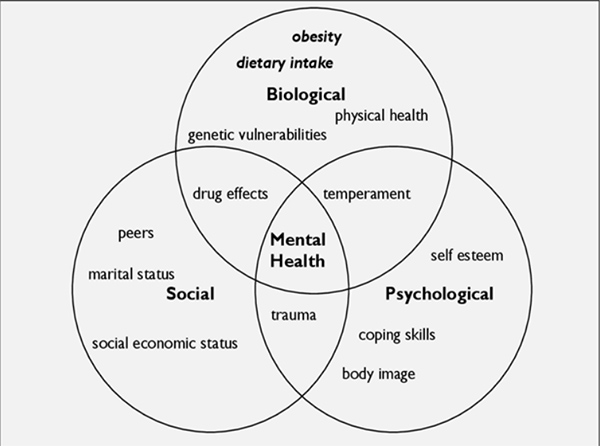
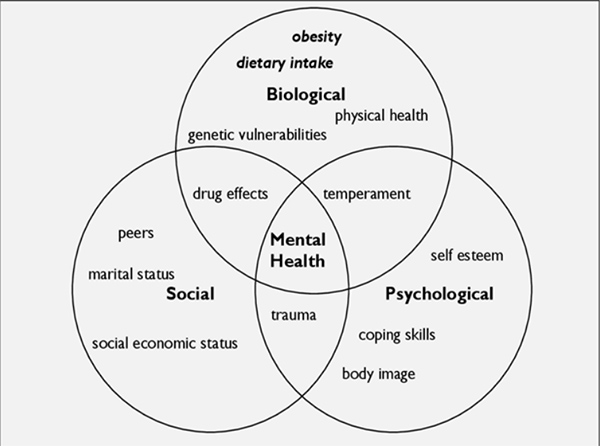
Obesity is often discussed as a physical health issue—one connected to heart disease, diabetes, and metabolic conditions. But this perspective overlooks a crucial part of the picture: the connection between obesity and mental disorders. The relationship between weight and mental health is complex, bidirectional, and deeply influenced by biological, psychological, and social factors. More than 650 million people worldwide are living with obesity, and nearly every nation is affected by what has become a global obesity pandemic. Obesity is a major contributor to premature mortality among individuals with severe mental illness, who often die 15–20 years earlier than the general population. Both obesity and mental health disorders are highly common and frequently coexist in the same person. Obesity is a growing public health concern across the United States, and South Florida is no exception. While specific local data for Parkland, FL is limited, nearby Delray Beach has an estimated obesity rate of 30.8%, slightly higher than the Florida state average. This makes obesity not only a physical health issue, but a mental health priority as well — especially as more research highlights the strong, bidirectional link between weight and psychological well-being. In recent years, researchers have emphasized the importance of addressing obesity not just through diet and exercise but through a holistic mental health lens. This long-form article explores how obesity and mental disorders are intertwined, why the link matters, and what individuals and healthcare providers can do to break the cycle. What Is Obesity? Obesity is defined medically as excessive body fat that increases the risk of health problems. But today, obesity is more than a clinical definition—it is a social, emotional, and psychological experience. While body weight is influenced by genetics, lifestyle, environment, and metabolism, it is also shaped by emotional health, trauma, stress, and social pressures.

How Mental Disorders Contribute to Obesity
Mental disorders can directly influence behaviors and biological processes that contribute to obesity. Here are the most common connections:
- Depression and Obesity
Depression is one of the most widely studied mental health conditions linked to obesity. Individuals with depression may experience:
- Loss of motivationto exercise
- Changes in appetite(overeating or undereating)
- Emotional eatingas a coping mechanism
- Fatigue, making physical activity difficult
- Anxiety Disorders and Obesity
Anxiety disorders—including generalized anxiety, panic disorder, and social anxiety—can contribute to obesity in several ways:
- Stress hormones like cortisol increase cravings for high-fat, high-sugar foods
- Avoidance of social environments reduces physical activity
- Sleep disturbances disrupt metabolism
- Anxiety medications may cause weight gain
- Binge Eating Disorder (BED) and Obesity
BED is one of the most common eating disorders associated with obesity. Symptoms include:
- Consuming large amounts of food in a short period
- Feeling a lack of control during episodes
- Eating to cope with emotional distress
- Experiencing shame afterward
BED is a mental disorder—not a lack of willpower—and requires psychological treatment.
How Obesity Can Trigger or Worsen Mental Disorders
Many assume mental disorders cause weight gain, but the reverse is equally true: obesity can increase the risk of developing mental health problems.
- Biological Pathways
Obesity can cause chronic inflammation, hormonal imbalances, and insulin resistance—all of which may affect brain function and mood regulation.
- Social Stigma and Discrimination
Weight stigma is a powerful predictor of poor mental health. People living with obesity often face:
- Judgment or ridicule
- Unfair treatment at school, work, or social settings
- Internalized shame and low self-esteem
- Social withdrawal
- Reduced Quality of Life
Obesity can limit mobility, reduce social participation, and contribute to a negative self-image, all of which may lead to:
- Depressive symptoms
- Anxiety disorders
- Loneliness and isolation
- Weight-management programs
-
The Two-Way Cycle — Why It’s Hard to Break
Obesity and mental disorders often reinforce each other, creating a challenging cycle:
- Mental disorders → emotional eating, inactivity → weight gain
- Weight gain → shame, stigma → worsening mental disorders
- Poor emotional health → unhealthy habits → further weight gain
-
Why This Matters for Parkland and Delray Beach Residents
With rising health awareness across Parkland and Delray Beach counties, understanding the link between obesity and mental health can help individuals pursue more comprehensive, integrated care. Addressing both physical and emotional needs leads to more sustainable outcomes and improved quality of life.
Mental health professionals, primary care providers, nutritionists, and psychiatrists in the region are increasingly working together to support patients through:
Treatment Approaches That Address Both Body and Mind
Successfully addressing obesity requires a integrated approach that considers emotional, psychological, and physical health.
- Cognitive Behavioral Therapy (CBT)
CBT helps individuals:
- Identify emotional triggers for overeating
- Change negative thought patterns
- Develop healthier coping strategies
- Mindful Eating Practices
Mindful eating teaches individuals to:
- Pay attention to hunger cues
- Slow down while eating
- Recognize emotional vs. physical hunger
- Addressing Sleep and Stress
Poor sleep and chronic stress disrupt metabolism and increase cravings. Simple strategies include:
- Consistent sleep routines
- Stress-reduction techniques (yoga, breathing, journaling)
- Limiting stimulants like caffeine and screens before bed
- Medical and Nutritional Support
Healthcare providers may recommend:
- Diet plans tailored to individual needs
- Medications if necessary (A medical practitioner/psychiatrist may help)
- Weight-loss therapy or surgery (in severe cases)
- Regular monitoring of mental health symptoms
- Social Support Systems
A strong support network reduces feelings of isolation. Support can come from:
- Family and friends
- Weight management groups
- Mental health professionals (A Psychologist/ psychiatrist is the best person toconsult for)
- Online communities
-
If you’re struggling with weight concerns, depression, anxiety, or stress, reaching out to a qualified healthcare provider can help you take meaningful steps toward better overall health.
Conclusion
Obesity and mental disorders share a deeply connected relationship that cannot be ignored. By understanding this link through a holistic, empathetic lens, we can create better strategies for prevention, early detection, and treatment. Whether you or someone you know is struggling, remember: support is available, healing is possible, and every step toward wellness—no matter how small—matters.
References
- Racette SB, Deusinger SS, Deusinger RH. Obesity: overview of prevalence, etiology, and treatment. Phys Ther. 2003 Mar;83(3):276-88. [PubMed]
- Wang YC, McPherson K, Marsh T, Gortmaker SL, Brown M. Health and economic burden of the projected obesity trends in the USA and the UK. Lancet. 2011 Aug 27;378(9793):815-25. [PubMed]
- Boutari C, Mantzoros CS. A 2022 update on the epidemiology of obesity and a call to action: as its twin COVID-19 pandemic appears to be receding, the obesity and dysmetabolism pandemic continues to rage on. Metabolism. 2022 Aug;133:155217. [PMC free article] [PubMed]
- Fabricatore AN, Wadden TA. Psychological aspects of obesity. Clin Dermatol. 2004 Jul-Aug;22(4):332-7. [PubMed]
- Sarwer DB, Polonsky HM. The Psychosocial Burden of Obesity. Endocrinol Metab Clin North Am. 2016 Sep;45(3):677-88. [PMC free article] [PubMed]
- Wardle J, Cooke L. The impact of obesity on psychological well-being. Best Pract Res Clin Endocrinol Metab. 2005 Sep;19(3):421-40. [PubMed]
- Chu DT, Minh Nguyet NT, Nga VT, Thai Lien NV, Vo DD, Lien N, Nhu Ngoc VT, Son LH, Le DH, Nga VB, Van Tu P, Van To T, Ha LS, Tao Y, Pham VH. An update on obesity: Mental consequences and psychological interventions. Diabetes Metab Syndr. 2019 Jan-Feb;13(1):155-160. [PubMed]
-
Taking a Holistic Approach to Health
Whether you live in Parkland, Delray Beach, or elsewhere in South Florida, recognizing the connection between obesity and mental well-being can be a powerful starting point for change. By understanding how these conditions influence one another, individuals can seek targeted support and develop healthier habits — both physically and emotionally.