
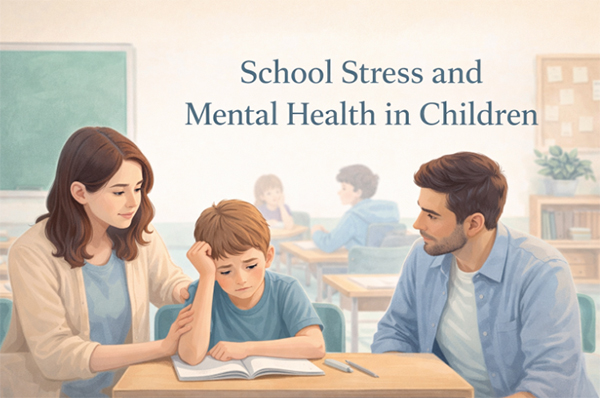
School plays a major role in a child’s emotional, social, and psychological development. While it can be a place of learning and growth, it can also become a significant source of stress for many children. Academic pressure, social challenges, expectations to perform, and fear of failure can all affect a child’s mental health, sometimes in ways that are not immediately visible.
Understanding school-related stress and its impact on mental health is essential for parents, caregivers, and educators. Early recognition and support can help children develop resilience, emotional regulation, and confidence both inside and outside the classroom.
Understanding School Stress in Children
School stress refers to the emotional strain children experience due to academic demands, social interactions, or performance expectations. While some level of stress is normal, chronic or overwhelming stress can negatively affect a child’s mental and emotional well-being.
Common sources of school stress include:
- Academic pressure and testing anxiety
- Homework overload
- Difficulty concentrating or keeping up in class
- Social challenges, bullying, or peer pressure
- Fear of disappointing parents or teachers
- Transitions such as changing schools or grade levels
Children may not always have the language to express stress, making it important for adults to recognize behavioral and emotional signs.
Signs School Stress May Be Affecting Mental Health
School stress can show up differently depending on a child’s age, personality, and coping skills.
Common warning signs include:
- Frequent headaches or stomachaches, especially on school days
- Irritability, mood swings, or emotional outbursts
- Withdrawal from family or friends
- Changes in sleep or appetite
- Avoidance of school or refusal to attend
- Declining academic performance
- Increased anxiety, worry, or sadness
If these symptoms persist or interfere with daily functioning, professional support may be needed.
The Impact of School Stress on Mental Health
Prolonged school stress can contribute to the development or worsening of mental health conditions such as:
- Anxiety disorders
- Depression
- Attention-deficit/hyperactivity disorder (ADHD) symptoms
- Low self-esteem and self-confidence
- Behavioral challenges
Children under chronic stress may feel overwhelmed, helpless, or fearful, which can affect both learning and emotional development.
How Parents Can Support Children Experiencing School Stress
Parental support plays a critical role in helping children cope with school-related stress.
Helpful strategies include:
- Encouraging open conversations about school experiences
- Validating emotions rather than minimizing concerns
- Helping children develop realistic expectations
- Creating consistent routines at home
- Encouraging healthy sleep, nutrition, and physical activity
- Teaching problem-solving and coping skills
A supportive home environment helps children feel safe expressing their struggles.
The Role of Schools and Teachers
Collaboration between families and schools is essential. Teachers and school counselors can provide accommodations, academic support, and emotional guidance when concerns are identified early.
Parents should not hesitate to communicate with educators if they notice changes in their child’s behavior or emotional health.
When to Seek Professional Help
If school stress begins to affect a child’s emotional well-being, behavior, or academic functioning, consulting a child psychiatrist in Boca Raton can be an important step.
A child psychiatrist can:
- Evaluate emotional and behavioral symptoms
- Identify underlying mental health conditions
- Provide individualized treatment plans
- Offer guidance to parents and schools
- Support a child’s emotional regulation and resilience
Early intervention can prevent long-term mental health challenges and help children thrive academically and emotionally.
Frequently Asked Questions (FAQs)
How much school stress is normal for children?
Some stress is normal, especially during exams or transitions. However, ongoing stress that affects mood, behavior, sleep, or physical health may signal a deeper concern.
Can school stress cause anxiety or depression in children?
Yes. Chronic academic or social stress can contribute to anxiety, depression, and other mental health conditions if left unaddressed.
How can I tell if my child needs professional help?
If your child shows persistent emotional distress, avoids school, or struggles with daily functioning, it’s important to seek guidance from a child psychiatrist.
How does a child psychiatrist help with school-related stress?
A child psychiatrist assesses emotional and behavioral concerns, identifies contributing factors, and develops treatment plans that may include therapy recommendations, behavioral strategies, or medication when appropriate.
About Dr. Priti Kothari
Dr. Priti Kothari is a compassionate and experienced child psychiatrist in Boca Raton, specializing in the diagnosis and treatment of emotional, behavioral, and developmental challenges in children and adolescents. She understands the significant impact that school-related stress can have on a child’s mental health and overall development.
Dr. Kothari takes a patient-centered, evidence-based approach, working closely with families to understand each child’s unique needs. Her care focuses on early identification, emotional support, and personalized treatment strategies that help children build resilience, confidence, and healthy coping skills.
As a trusted child psychiatrist in Boca Raton, Dr. Priti Kothari is dedicated to supporting children and families through life’s academic and emotional challenges with empathy and expertise.
References
- American Academy of Child & Adolescent Psychiatry (AACAP) – School Stress and Mental Health
https://www.aacap.org - Centers for Disease Control and Prevention (CDC) – Children’s Mental Health
https://www.cdc.gov/childrensmentalhealth - National Institute of Mental Health (NIMH) – Anxiety and Stress in Children
https://www.nimh.nih.gov