
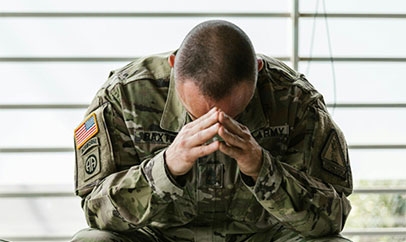
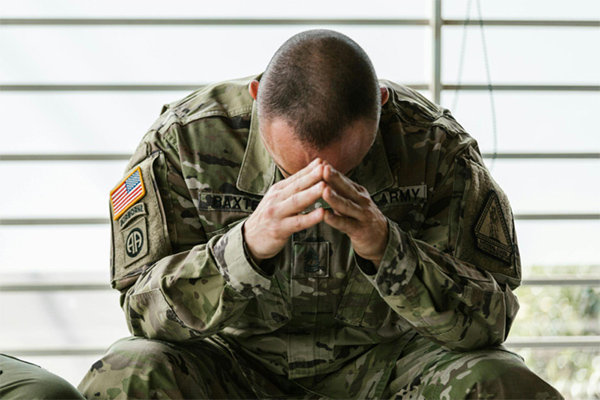
For many military veterans, the most difficult battles begin after they return home. While their uniforms are folded away and deployments have ended, the psychological impact of combat often lingers quietly beneath the surface. Some veterans struggle with intense memories, emotional numbness, hypervigilance, and challenges reintegrating into family life—symptoms commonly associated with Post-Traumatic Stress Disorder (PTSD).
Unlike physical wounds, PTSD is invisible. Friends and family may not immediately notice it. Veterans themselves may feel hesitant to speak about their experiences, fearing judgment or misunderstanding. Yet, this hidden battle deeply affects mental health, relationships, work, and daily functioning.
Understanding PTSD in combat veterans can help families recognize signs early, support loved ones through recovery, and advocate for appropriate mental health care. This guide highlights the causes, symptoms, reintegration challenges, and essential support approaches—based on insights from veteran organizations, trauma specialists, and mental health professionals.
Why PTSD Happens: The Impact of Combat Trauma
Combat experiences expose service members to events that overwhelm the mind’s ability to cope. Veterans may witness injury, loss, violence, or life-threatening situations repeatedly. Research and veteran organizations note that:
- Combat exposure significantly increases vulnerability to PTSD.
- Veterans often experience both visible trauma(injuries, explosions, combat engagements) and invisible trauma (loss of comrades, moral injury, survivor’s guilt).
- Many veterans do not seek help immediately, and symptoms can emerge months or even years after deployment.
The brain’s trauma response may remain “stuck,” causing veterans to relive memories or stay in a constant state of alertness—long after the danger has passed.
Signs of PTSD in Veterans
PTSD symptoms can vary from person to person. According to veteran mental health advocates and trauma research, common signs include:
1. Re-experiencing Symptoms
- Flashbacks or intrusive memories
- Nightmares
- Distress when reminded of combat experiences
2. Avoidance
- Steering clear of people, places, or conversations that remind them of trauma
- Emotional withdrawal from loved ones
- Avoiding crowds, events, or unfamiliar environments
3. Hyperarousal
- Feeling constantly “on guard”
- Difficulty relaxing
- Trouble sleeping
- Irritability or sudden anger
4. Negative Changes in Mood or Thinking
- Emotional numbness
- Persistent guilt, shame, or self-blame
- Difficulty feeling happiness or connectedness
- Loss of interest in activities once enjoyed
These symptoms can significantly impact daily life, relationships, work, and the ability to reintegrate into civilian routines.
The Hidden Struggle: Reintegration Challenges
Returning home does not always bring immediate relief. Many veterans report that reintegration is one of the hardest transitions they face. Based on veteran interviews and support organizations, common challenges include:
1. Identity Shifts
Leaving military structure and entering civilian life can feel disorienting. Veterans may struggle with a loss of purpose or loss of daily routine.
2. Relationship Strain
Families may not fully understand what their loved one experienced. Veterans may avoid discussing combat, causing emotional distance.
3. Difficulty Connecting with Civilians
Veterans often feel misunderstood by peers who haven’t experienced combat stress. This may lead to isolation or withdrawal.
4. Moral Injury
Some veterans experience inner conflict over actions taken or witnessed in war, leading to guilt, shame, or spiritual distress.
5. Hypervigilance in Civilian Settings
Crowds, loud noises, or unexpected movements may feel threatening, even when the environment is safe.
Reintegration challenges can intensify PTSD symptoms, creating a cycle of stress that affects the entire family.
Family Impact: Understanding Secondary PTSD
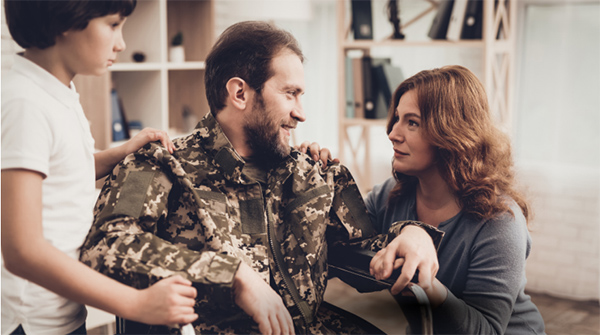
PTSD doesn’t affect only the veterans—it can deeply impact spouses, children, and close family members. Research and veteran support organizations describe:
- Emotional exhaustion from trying to “hold things together”
- Anxiety when veterans withdraw emotionally
- Stress from unpredictable mood changes
- Difficulty maintaining stable family routines
This is sometimes referred to as secondary PTSD, where family members feel the indirect emotional weight of the trauma.
Understanding that PTSD is an illness—not a personality change—helps families respond with empathy and seek appropriate support.
How Veterans Cope: Healthy vs. Unhealthy Strategies
Veterans use a range of coping strategies, including:
Healthy Coping Strategies
- Speaking with mental health professionals
- Connecting with veteran peer-support groups
- Practicing grounding techniques or mindfulness
- Engaging in physical activity
- Building consistent sleep routines
Unhealthy Coping Strategies
- Substance misuse
- Emotional suppression
- Isolation
- Avoiding meaningful relationships
Encouraging healthy coping and acknowledging struggles without stigma can significantly support recovery.
Treatment Options for PTSD in Veterans
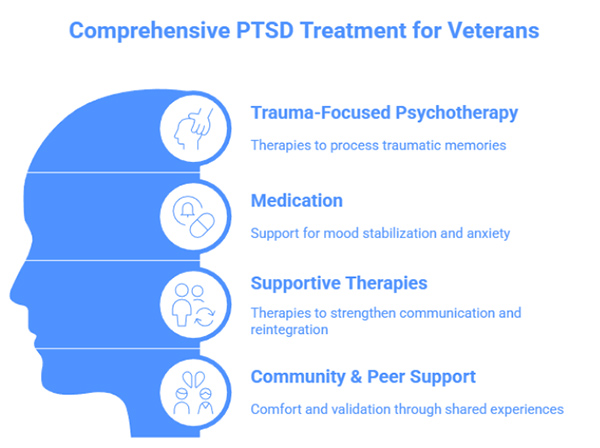
There is no one-size-fits-all approach, but several therapies have strong evidence behind them:
1. Trauma-Focused Psychotherapy
Preferred treatments often include:
- Cognitive Processing Therapy (CPT)
- Prolonged Exposure Therapy (PE)
- Eye Movement Desensitization and Reprocessing (EMDR)
These help veterans safely process traumatic memories and reshape negative thought patterns.
2. Medication
Some veterans benefit from medications that support mood stabilization, sleep, or anxiety management—often used alongside therapy.
3. Supportive Therapies
- Family therapy to strengthen communication
- Group therapy with other veterans
- Reintegration-focused counseling
4. Community & Peer Support
Veterans often find comfort speaking with others who have shared similar combat experiences. Peer support groups can reduce isolation and validate their journey.
PTSD treatment is a collaborative process, and progress may be gradual. But with consistent care, many veterans rebuild meaningful, fulfilling lives.
When Veterans and Families Should Seek Help
You should consider seeking evaluation or support when:
- Symptoms last longer than one month
- PTSD interferes with work, relationships, or daily functioning
- Veterans feel disconnected from loved ones
- Nightmares, flashbacks, or panic episodes become frequent
- Substance use increases to cope with emotional distress
- Family members feel overwhelmed or unsure how to help
Getting support is not a sign of weakness—it is an act of strength and a step toward healing.
Call to Action
If you or a loved one is a veteran struggling with PTSD, emotional numbness, or reintegration challenges, you do not have to face this hidden battle alone.
Dr. Priti Kothari provides compassionate, trauma-informed treatment for veterans and military families—supporting healing, restoring connection, and rebuilding hope.
 Serving Jupiter, Palm Beach, and surrounding Florida communities
 Learn more or schedule a consultation:
https://www.drpritikothari.com/
Healing is possible—and the first step begins with reaching out.
References
- Help for Heroes (2024). PTSD From War: Understanding Combat Trauma.
https://helpforheroes.com/blog/ptsd/ptsd-from-war/ - Soldiers’ Angels (2023). Coping With PTSD: Stories of Triumph.
https://soldiersangels.org/coping-with-ptsd-three-stories-of-triumph/ - Nema Health (2024). War Veterans and PTSD: What to Know.
https://www.nemahealth.com/blog-posts/war-veterans-and-ptsd-what-to-know - Sage Clinic (2024). Honoring and Helping Veterans.
https://sageclinic.org/blog/veterans-day-honoring-helping/ - HopeWay (2023). Understanding Veteran Mental Health Culture.
https://hopeway.org/blog/veteran-culture - Soldiers’ Angels (2023). PTSD: A Personal Journey.
https://soldiersangels.org/ptsd-a-personal-journey/ - NAMI SWWA (2024). Navigating Secondary PTSD.
https://namiswwa.org/navigating-secondary-ptsd-surviving-the-war-that-came-home/ - Via Linda Behavioral (2023). What Is Combat PTSD in Veterans?
https://vialindabehavioral.com/blog/what-is-combat-ptsd-in-veterans/ - ASC Psychological (2024). Effects of War on Soldiers—History of PTSD.
https://www.ascpsychological.com/blog/effects-war-soldiers-part-i-history-ptsd/ - Deployment Psychology (2024). Sharing Combat Experiences.
https://deploymentpsych.org/blog/staff-perspective-sharing-combat-experiences-–-why-veterans-struggle-opening-loved-ones