
Play is a child’s natural language. It is at the heart of how a child explores feelings, solves problems, and processes experiences that may be difficult to discuss.Therefore, play therapy is a form of therapy that uses the medium of play to help children understand emotions and build healthier coping skills. At the Florida practice of Dr. Priti Kothari, this approach supports emotional development and strengthens mental health in children who need a safe path toward healing.
Play therapy is considered an effective method for helping children who have experienced stress, behavioral challenges, trauma, school difficulties, or family changes. It respects the way children learn and honors the belief that play is a child’s natural way of making sense of life.
The Role of Play Therapy and the Power of Play in Childhood
Play therapy helps children express feelings that may be too complex or overwhelming to verbalize. The role of play therapy is to guide emotional expression through symbolic play. Children communicate inner experiences through stories, fantasy, toys, and creative tasks. This allows them to express what they feel without pressure.
A therapist observes the child to understand emotional themes and triggers. The therapist’s role is to create a safe, structured space for expression and growth. This approach aligns with the importance of play and the value of play in emotional development.
Play therapy allows children to explore feelings with a sense of control. This is one reason therapy helps children build confidence and emotional resilience. When used with intention, the therapeutic power of play supports meaningful growth.
How a Play Therapy Session Works
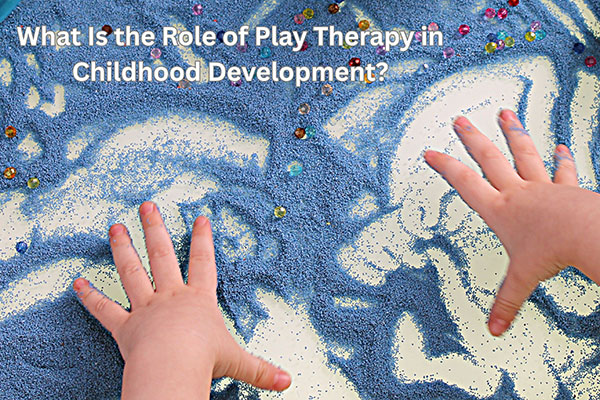
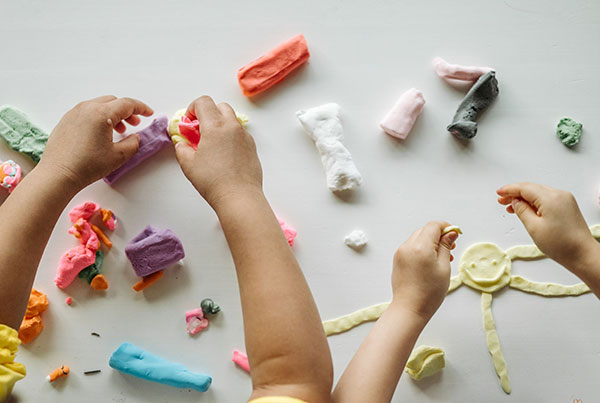
A typical play therapy session lasts about 30 to 50 minutes. During these sessions, a therapist may introduce objects or activities that help the child express emotions. A child may communicate needs or worries through play, art, sand trays, imagination, or role play.
In some cases, the therapist may guide the process. In others, they provide non-directive play therapy so the child leads. Play therapy allows children to work through internal conflicts while feeling protected. This form of therapy can take several weeks or months depending on each child’s needs.
Play therapy provides a safe emotional environment. Each session is tailored to help the child feel supported. Many children benefit from play therapy because it aligns with how they naturally learn and communicate.
Types of Play, Types of Play Therapy, and Play Therapy Techniques
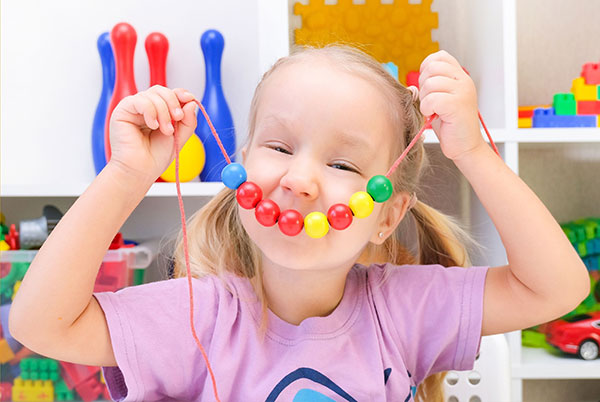
There are different types of play and types of play therapy. Each type supports emotional expression in a unique way. In play therapy, toys, figures, art, and sensory tools help the therapist observe the child at play and understand behavior patterns.
Some commonly used approaches include:
Child-Centered Play Therapy
A non-directive approach where the child leads. Child-centered play allows the child to express emotions freely.
Directive Play Therapy
A guided approach where the therapist introduces specific activities based on treatment goals.
Directive and Non-Directive Models
A combination of both allows the therapist to adjust methods based on the child’s development.
Play therapy techniques may include storytelling, role play, expressive art, sand play, and structured games. Using play to help children process intense emotions is a powerful method, especially when it helps them express inner conflicts safely.
Organizations such as the Association for Play Therapy, Registered Play Therapist, Registered Play Therapist-Supervisor, and Play Therapy International set standards for training and practice.
The use of play therapy is thoughtful and intentional. The success of play therapy depends on connection, trust, and a consistent therapeutic relationship.
Why Children Benefit From Play Therapy
Children benefit from play therapy because it allows emotional expression without fear. Play therapy helps children understand feelings and develop problem-solving skills. Children who have experienced trauma or stress often need symbolic outlets before they can talk about their experiences.
Key benefits of play therapy include:
- Improved emotional regulation
- Stronger communication skills
- Increased confidence
- Better social skills
- Reduced anxiety or behavioral challenges
- Support during family transitions
Therapy that uses developmentally appropriate tools meets the child where they are. The effect of play therapy is often seen in enhanced self-awareness and healthier emotional responses.
How Play Therapy Supports Mental Health and Development
Mental health concerns in children often appear as behavior changes, withdrawal, aggression, or difficulty focusing. Play therapists use methods that help children understand emotions in developmentally appropriate ways. A play therapist is a licensed professional trained to interpret symbolic play. They may offer guidance or simply provide space so the child feels safe.
Play therapists pay close attention to emotional themes. Play therapy requires training, patience, and clinical insight. A therapist may use sensory objects or stories to help a child process fear or confusion.
Play therapy aims to support emotional and developmental growth. Therapy that helps children build coping strategies often leads to long-term resilience. The effectiveness of play therapy increases with consistency and a supportive environment.
Play Therapy in Childhood: What Parents Should Know
Parents often have questions about play therapy – how it works, how it supports mental health, and how it helps children who struggle with verbal communication.
A typical play therapy session focuses on safety, emotional expression, and confidence building. Allowing the child to express feelings through play helps them feel understood.
Play therapy can be directive or flexible. It often encourages independence and may be part of a broader treatment plan that includes family involvement.
The process of play is healing. Play therapy offers growth and emotional release through structured, supportive methods. It can also support smoother communication between children and parents.
Discover How Play Therapy Helps Children Heal at Dr. Priti Kothari’s Florida Clinic
Dr. Priti Kothari, a trusted child psychiatrist in Florida, uses play therapy to support children who need emotional guidance. Her practice respects the power of play to help children feel understood. She works closely with families and uses evidence-based methods to guide each session.
Play therapy provides a supportive space where children can explore feelings they may not yet know how to describe. When guided by a skilled professional, play as a medium becomes a path toward resilience.
Families seeking clarity about how therapy helps children are encouraged to reach out to Dr. Kothari’s practice. Discover how play therapy supports emotional health, builds confidence, and promotes healing for children across Florida.
References
- Association for Play Therapy. (2024). What is play therapy? Association for Play Therapy.
- Axline, V. M. (1947). Play Therapy: The Inner Dynamics of Childhood. Houghton Mifflin.
- Bratton, S. C., Ray, D., Rhine, T., & Jones, L. (2005). The efficacy of play therapy with children: A meta-analytic review of treatment outcomes. Professional Psychology: Research and Practice, 36(4), 376–390.
- Carmichael, K. D. (Ed.). (2006). Play Therapy: An Introduction. Wiley.
- Landreth, G. L. (2012). Play Therapy: The Art of the Relationship (3rd ed.). Routledge.
- Play Therapy International. (2024). Standards and accreditation. Play Therapy International.
- Ray, D. (2011). Advanced Play Therapy: Essential Conditions, Knowledge, and Skills for Child Practice. Routledge.